
Australia's Coasts, Reefs & Wildlife: Beyond the Beach
Australia
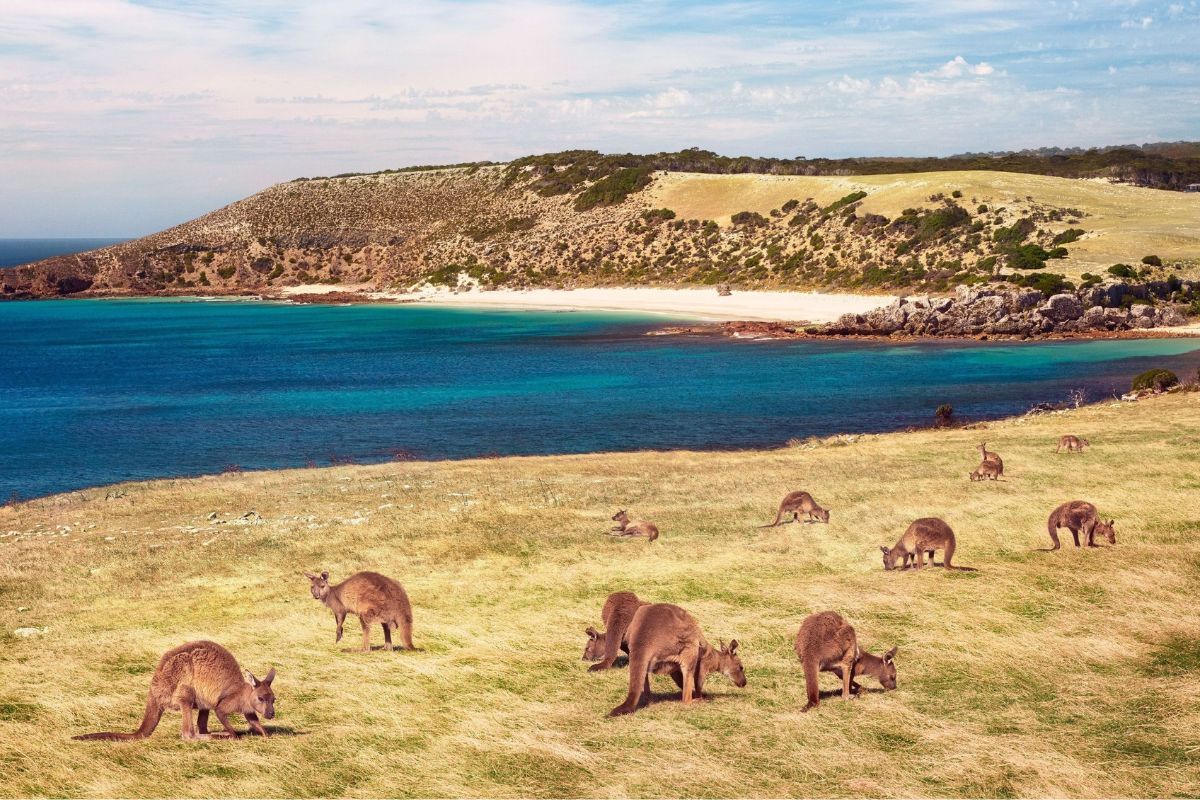
Australia has more than 16,000 miles of coastline, and no two stretches feel quite the same. Tropical coral reefs follow the curves of white-sand beaches and rugged limestone cliffs drop dramatically into the sea. In sheltered bays and on remote stretches of coast, wildlife can outnumber people.
You can swim alongside the world's largest fish in Western Australia, come face-to-face with a great white shark in South Australia, or watch koalas resting in eucalyptus trees along Victoria's Great Ocean Road. In Queensland, explore the Great Barrier Reef or dive deeper to learn how marine scientists and local communities are working together to restore damaged coral.
Here are some of our favorite ways to experience Australia's coastlines beyond the beach.
Queensland: The Great Barrier Reef
Queensland's Great Barrier Reef stretches for more than 1,400 miles along Australia's northeast coast. It's the world's largest coral reef system, supporting an incredible range of marine life, from tiny reef fish and colorful corals to sea turtles, rays and reef sharks.
You can see the reef by glass bottom boat, snorkel or scuba diving, or experience it from above on a scenic helicopter flight. If marine biology is of interest, stay on an island that is also a National Park where scientists at the island's research station are helping shape the future of the reef. For a once-in-a-lifetime experience, spend the night in an underwater guest suite with floor-to-ceiling windows looking into the deep blue.
A Closer Look at Conservation in Action: Reef Unlimited
Reef Unlimited, a Queensland reef tourism operator, brings visitors into this vast marine environment, while its marine research division, GBR Biology, contributes to reef science, monitoring and restoration.
One particularly interesting initiative is the Reef Cooperative at the Reef Magic Pontoon site, on Gunggandji Sea Country.
The Reef Cooperative brings together Citizens of the Reef, GBR Biology, Gunggandji Aboriginal Corporation, Dawu Wuru Aboriginal Corporation and Mars Sustainable Solutions. The project is supported by founding funder The Cotton On Foundation, along with Sheba and Dine, both part of Mars Incorporated.
More than 1,000 Reef Stars and 14,000 coral fragments have been installed at the Reef Cooperative build at the Reef Magic Pontoon site.
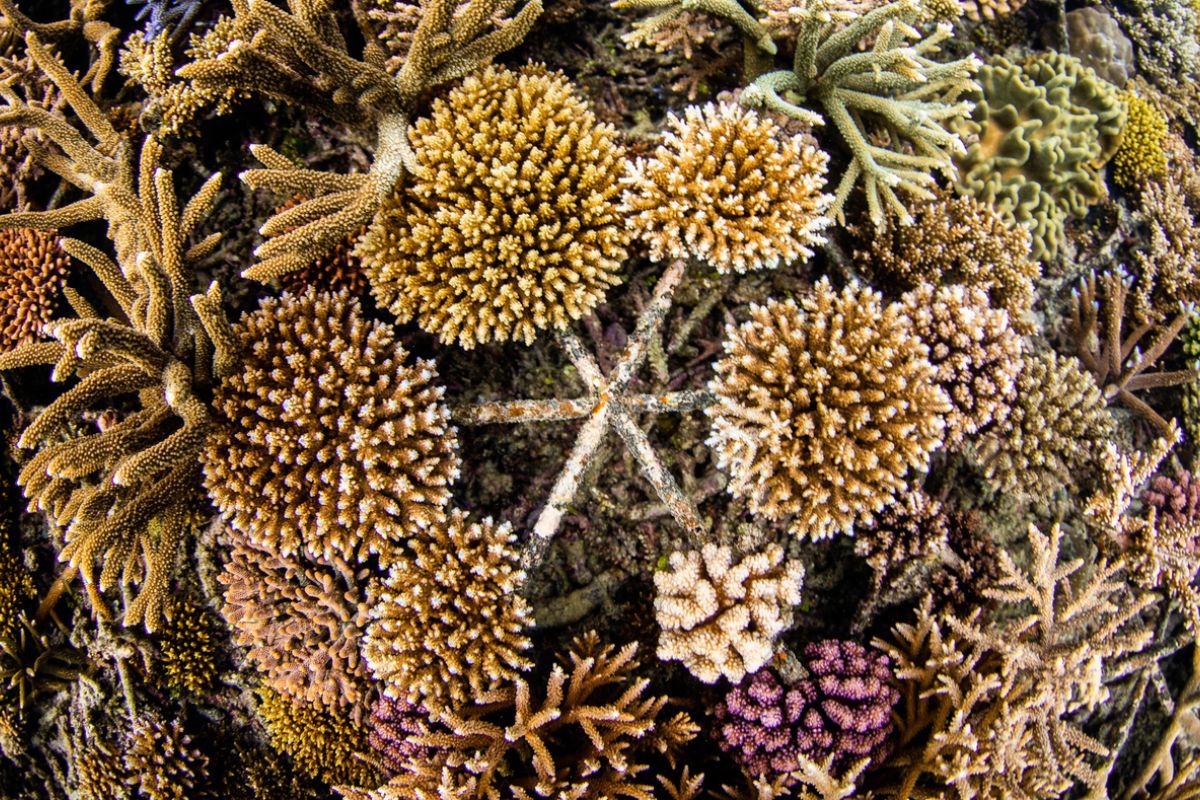
The Cooperative installs Reef Stars which are specially designed structures that help stabilize coral fragments on damaged reef areas, creating a foundation where the corals can grow. The approach is one of several restoration methods being used to support reef recovery.
It's important to understand that restoration is not a substitute for addressing the larger environmental pressures facing the reef, particularly climate change. But projects like this demonstrate how marine science, Traditional Owner knowledge and tourism-related organizations can contribute to local reef resilience.
For travelers, this adds another dimension to a day on the water. The reef is not simply something to admire from above or below the surface. It's a living ecosystem with an ongoing story, and understanding the work behind its protection can make the experience much more meaningful.
Western Australia: From Ningaloo Reef to Perth
On the opposite coast, Western Australia offers some of the country's most remarkable wildlife encounters, from swimming with the world's largest fish to watching migrating whales and meeting one of Australia's most photogenic marsupials.
Unlike much of the Great Barrier Reef, Ningaloo is a fringing reef, meaning that in many places the coral begins just a short distance from shore. It's possible to walk straight from the beach into clear water filled with tropical fish, turtles, manta rays and coral formations.
But the experience that draws many travelers to this remote part of Western Australia is the chance to swim with whale sharks. They visit Ningaloo seasonally, generally between March and August.
There's something extraordinary about seeing a whale shark approaching through the blue water. Even from a respectful distance, its size is difficult to comprehend.
Farther south, the waters around Busselton and Dunsborough offer excellent whale-watching opportunities from September through November. Earlier in the season, generally May through August, travelers can watch migrating whales near Augusta. Whale-watching cruises generally operate from September through November, when mothers and calves can sometimes be spotted resting in sheltered waters.
The southwest is also home to Margaret River's celebrated wineries, coastal walking trails and beautiful beaches, making it easy to combine wildlife viewing with food, wine and a few days of relaxation.
And no wildlife-focused visit to Western Australia would be complete without mentioning the quokka. Just a short ferry ride from Perth or Fremantle, Rottnest Island is home to one of the world's best-known populations of these small marsupials famous for their seemingly permanent smiles. Beyond the quokkas, Rottnest offers sheltered bays, snorkeling spots and quiet beaches.
South Australia: Sea Lions, Sharks & Kangaroo Island
South Australia's Eyre Peninsula offers two very different ways to encounter some of the ocean's most fascinating animals.
At Baird Bay, travelers can slip into the water alongside wild Australian sea lions. These endangered marine mammals are naturally curious, and it's not unusual for them to playfully approach swimmers. Guided snorkeling excursions allow visitors to observe the sea lions in their natural environment, with the animals deciding how close they want to come. It's a remarkable experience, particularly when a sea lion looks directly at you before effortlessly gliding away.
For a very different kind of encounter, head to Port Lincoln, the departure point for shark cage diving expeditions to the Neptune Islands. Here, visitors enter a specially designed underwater cage to observe great white sharks in their natural habitat. It's an opportunity to appreciate these often-misunderstood animals beyond their Hollywood reputation. Licensed operators work under strict environmental regulations, and guides share insights into shark behavior and conservation.
Beyond the water, the Eyre Peninsula offers secluded beaches, coastal national parks and exceptional seafood, including the oysters of Coffin Bay.
Just off the coast of South Australia, Kangaroo Island combines dramatic Southern Ocean landscapes with some of the country's most rewarding wildlife experiences.
At Seal Bay, visitors can join a ranger-led walk to observe Australian sea lions resting, socializing and moving between the beach and the ocean. Elsewhere on the island, kangaroos, wallabies, echidnas, koalas and seabirds inhabit coastal bushland and protected reserves.
Kangaroo Island is also an important example of wildlife recovery following the devastating bushfires of 2019–2020. Conservation and habitat restoration efforts continue across the island, creating opportunities for travelers to learn about the work involved in protecting native species.
Victoria: Great Ocean Road, Phillip Island & Wilsons Prom
Not every coastal wildlife encounter requires getting into the water.
Victoria's Great Ocean Road is one of Australia's most celebrated drives, following the Southern Ocean through seaside towns, eucalyptus forests, national parks and dramatic limestone formations.
The Twelve Apostles may be the best-known landmark, but the wildlife encounters along the Great Ocean Road are just as rewarding. Koalas can often be spotted resting high in eucalyptus trees. Kangaroos and emus graze in open grasslands, while wallabies and echidnas inhabit the surrounding forests and coastal vegetation.
The coastline also has its own seasonal wildlife attractions. Southern right whales visit waters near Warrnambool during the cooler months, while little penguins can sometimes be seen returning to shore after dark near the Twelve Apostles.
Just a couple of hours from Melbourne, Phillip Island is home to hundreds of little penguins. Known as the Penguin Parade, this nightly ritual brings hundreds of little penguins ashore as they return to their burrows after a day of feeding at sea. Visitors watch from specially designed viewing platforms and boardwalks that protect the penguins and their habitat.
The island has more wildlife to offer, too. Australian fur seals gather at Seal Rocks, while wallabies, echidnas and a variety of seabirds inhabit the surrounding coastal landscapes. Phillip Island Nature Parks also supports wildlife research, habitat protection and conservation initiatives, with visitor revenue helping fund this work.
Our private touring partners call Wilsons Promontory Victoria's best-kept secret, and it's easy to understand why. At the southernmost point of mainland Australia, "The Prom" combines rugged granite mountains, white-sand beaches and coastal bushland with some of the state's best wildlife viewing.
Wombats are frequently spotted grazing around Tidal River, particularly in the early morning and evening, while kangaroos, wallabies and emus inhabit the park's open grasslands and forests. Coastal walking trails lead to sheltered coves, rocky headlands and beaches such as Squeaky Beach, named for the sound its fine quartz sand makes underfoot.
The wildlife experiences extend offshore, too. Guided cruises travel along the park's dramatic coastline, passing towering granite formations and islands where Australian fur seals gather. Dolphins and seabirds are commonly seen, and migrating whales may also appear during the cooler months.
Tasmania: Wild Coastlines
Tasmania's coastline has a character all its own. Towering sea cliffs, sheltered bays and remote islands create habitats for fur seals, dolphins, seabirds, and migrating whales, while land mammals roam freely about the wild landscapes.
On Tasmania's east coast, Freycinet National Park combines pink granite mountains, white-sand beaches and sheltered turquoise bays. Wallabies and echidnas inhabit the coastal bushland, while dolphins, Australian fur seals and migrating whales can sometimes be spotted offshore.
Nearby Maria Island, wombats graze in open grasslands, while kangaroos, wallabies and Tasmanian devils inhabit the island. The devils were introduced as part of a conservation program to establish a healthy population.
New South Wales: Sydney Whales & Lord Howe Island
You don't have to venture far from Australia's largest city to experience some remarkable coastlines and wildlife. Each year, thousands of humpback whales migrate, passing Sydney on their journey between Antarctic feeding grounds and warmer breeding waters.
Between May and November, whale-watching cruises depart from Sydney Harbour and head into open waters, with our tour operators reporting whale sighting success rates as high as 95%. Watching a humpback breach or slap its enormous tail against the water, with Sydney's coastline in the background, is an experience few visitors expect so close to a major city.
Farther offshore, Lord Howe Island offers a completely different coastal experience. With only 400 visitors permitted at any one time, this small island is a place of volcanic peaks, quiet beaches and protected marine environments, shared with relatively few others.
Part of a UNESCO World Heritage-listed island group, Lord Howe is home to the world's southernmost true coral reef. Snorkelers can encounter colorful reef fish, sea turtles and rays in the sheltered lagoon, while guided boat excursions visit offshore sites, including the waters around Ball's Pyramid, the world's tallest volcanic sea stack.
On land, walking trails lead through subtropical forests and along coastal ridgelines, where seabirds nest among the island's distinctive vegetation. Conservation programs have helped protect endemic species and restore native habitats, making Lord Howe an important example of island conservation.
After Dark: Stargazing Along Australia's Coast
Australia's coastal experiences don't necessarily end at sunset.
Many of the country's more remote coastlines have very little artificial light, making them excellent places to observe the Southern Hemisphere's night sky.
On a clear, moonless evening, the Milky Way can appear as a broad band of stars overhead. The Southern Cross is one of the best-known constellations in the southern sky, and travelers may also be able to spot the Magellanic Clouds, two neighboring dwarf galaxies visible from suitable dark-sky locations.
The experience is particularly appealing in places where the ocean creates an open horizon and there are few nearby towns or buildings.
Planning Your Australian Coastal Getaway
Australia's coastlines offer a variety of experiences, and no two travel itineraries need to look alike. At Swain Destinations, our firsthand knowledge helps us match travelers with the right regions, seasons and local experts, whether that means swimming alongside whale sharks, watching penguins return to shore or learning how marine scientists are helping restore the Great Barrier Reef.
The best coastal journey isn't about seeing everything. It's about choosing the experiences that matter most to you.
Happy Travels,
Swain