
Africa's Big Five: The Complete Safari Guide
Africa
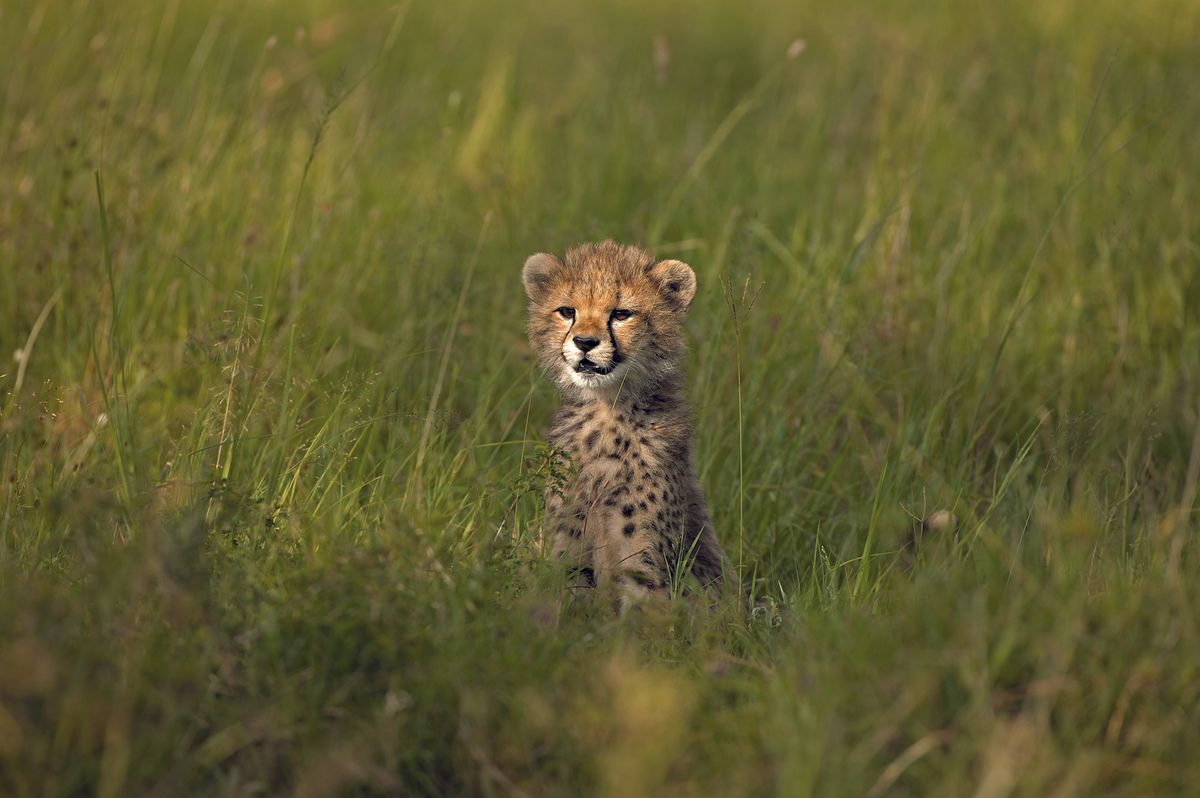
The term "Big Five" comes from the era of big-game hunting, when lion, leopard, African elephant, rhinoceros and Cape buffalo were considered the most dangerous animals to pursue on foot. Today the hunting is done with cameras, and spotting all five has become the defining goal of a first safari. Knowing a little about each one, and where it is most reliably found, is the key to planning well.
Meet the five
- African elephant — the largest land animal on Earth, found in family herds across Southern and East Africa. Botswana's Chobe and the Okavango hold some of the continent's greatest concentrations.
- Lion — the only truly social cat, living in prides. Open grassland reserves like Kenya's Maasai Mara and Tanzania's Serengeti offer the most consistent sightings.
- Leopard — solitary, nocturnal and the hardest of the five to find. South Africa's Sabi Sand, where leopards are relaxed around vehicles, is the best place in Africa to see one well.
- Rhinoceros — both black and white rhino survive in Africa, though both are under heavy protection. Roughly 6,800 black rhinos and 15,700 white rhinos remain, the majority in South Africa.
- Cape buffalo — formidable and unpredictable, moving in large herds and known locally as the "widow-maker."
Where to see the Big Five
- South Africa — the Greater Kruger. The private Sabi Sand reserve, sharing an unfenced boundary with Kruger National Park, offers arguably the most reliable Big Five viewing on the continent, with exceptional leopards.
- Kenya — the Maasai Mara. Big cats on open plains, and from roughly July to October, the river crossings of the Great Migration.
- Tanzania — the Serengeti and Ngorongoro Crater. The Crater is one of the few places where all five can be seen in a single day.
- Botswana — the Okavango and Chobe. Water-based safaris, vast elephant herds and a sense of genuine wilderness.
- Zimbabwe, Zambia and Namibia round out the choices, from Hwange to South Luangwa to Etosha.
When to go
Game viewing is generally best in the dry season, when sparse vegetation and shrinking water sources concentrate wildlife. In Southern Africa that means roughly May to October. In East Africa the same dry months also bring the migration into the Maasai Mara. The green season has its own rewards — newborn animals, dramatic skies, lower rates and excellent birding — but sightings can take more patience.
Beyond the five
A good safari is about far more than a checklist. Cheetah, wild dog, giraffe, hippo and hundreds of bird species fill the days between Big Five sightings, and the best guides treat the smaller dramas of the bush as seriously as the headline animals. Tracking a leopard on foot, watching a herd of elephant cross a floodplain at dusk, or sitting with a pride at a kill stays with travelers long after the list is complete.
For a deeper planning path, explore Africa travel, wildlife journeys, and the Ultimate Kenya and Tanzania itinerary.
Photo Gallery
Happy Travels
Swain