
Uluru (Ayers Rock): The Complete Guide
Uluru, Australia
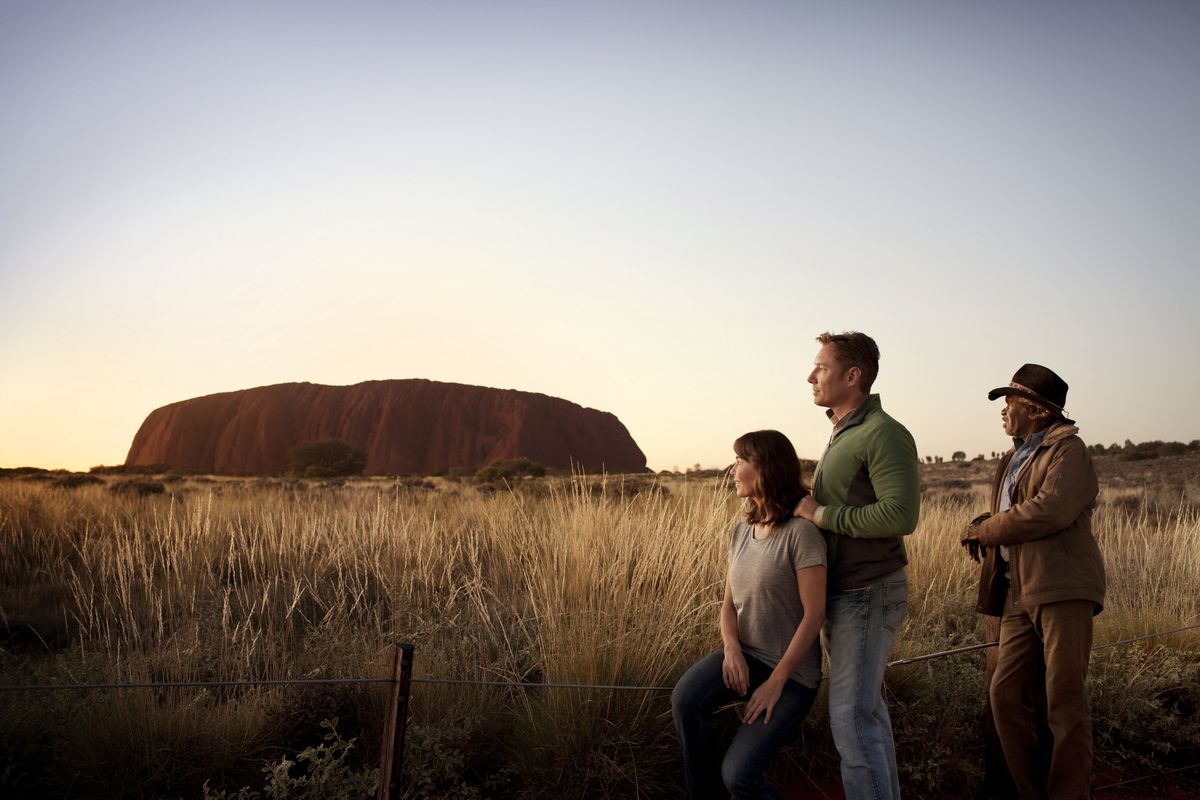
Uluru rises 348 metres from the desert near the centre of Australia, a single mass of arkose sandstone about 550 million years old. It is taller than the Eiffel Tower, runs roughly 3.6 kilometres long, and continues for an estimated 2.5 kilometres below the surface. For the Anangu, the Traditional Owners who have lived here for tens of thousands of years, it is not a landmark but a living cultural site woven through Tjukurpa, their law and creation knowledge.
The scale and the setting
Uluru sits within Uluru-Kata Tjuta National Park, dual-listed by UNESCO for both its natural and cultural value. About 30 kilometres to the west stands Kata Tjuta, a formation of 36 domes whose highest point, Mount Olga, is taller than Uluru itself. The two are best seen together: Uluru for its singular presence, Kata Tjuta for the walks through its valleys.
Can you still climb Uluru?
No. The climb was permanently closed on 26 October 2019, at the request of the Anangu, for whom the route held deep spiritual significance and who had long asked visitors not to ascend. The decision changed nothing about what makes a visit worthwhile, and arguably deepened it.
What to do at the rock
- Walk the base. The full base walk is about 10 kilometres and circles the rock past waterholes, caves and rock art. Shorter sections, including the Mala and Kuniya walks, reach the highlights.
- See it at dawn and dusk. Uluru shifts through ochre, rust and deep red as the light changes; sunrise and sunset are the two fixed points to plan a day around.
- Visit Kata Tjuta. The Valley of the Winds and Walpa Gorge walks lead into the domes.
- Experience it after dark. Bruce Munro's Field of Light installation and desert dining under the stars have become signatures of the Red Centre.
- Learn the culture. The Cultural Centre and Anangu-guided walks explain the Tjukurpa stories tied to specific features of the rock.
When to visit
The cooler months from May to September are the most comfortable, with warm days and cold desert nights. The summer, December to February, brings extreme heat and flies, and many walks close during the hottest part of the day. Whenever you go, carry water, start walks early, and respect the signs marking sacred sites where photography is restricted.
Getting there
Connecting flights reach Ayers Rock Airport at Yulara from Sydney, Melbourne, Brisbane, Cairns and Alice Springs, making even a short visit practical. The resort town of Yulara, just outside the park, has the area's accommodation, and a focused two- or three-night stay is enough to take in both Uluru and Kata Tjuta without rushing.
For a deeper planning path, explore Australia travel, cultural journeys, and the Highlights of Australia and New Zealand itinerary.
Photo Gallery
Happy Travels
Swain