
Planning a Safari in South Africa: A Complete Guide
South Africa
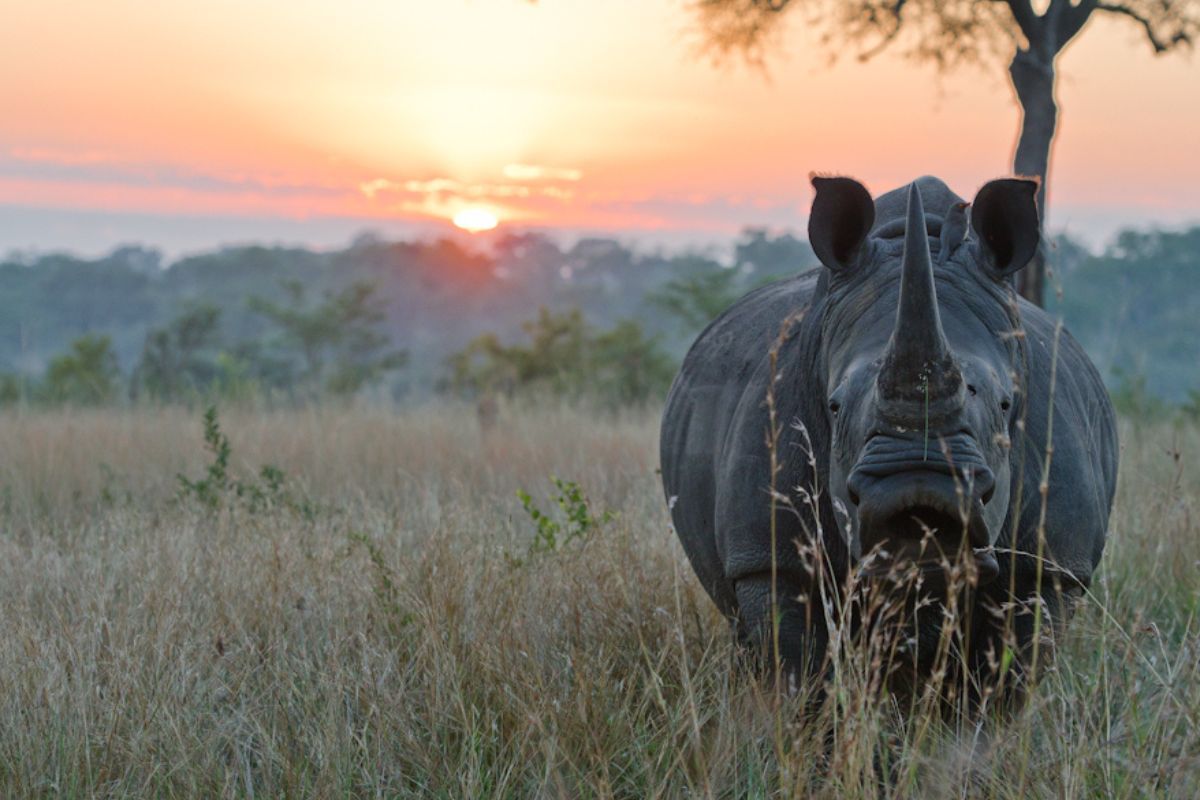
When you picture your dream African safari, what moment do you imagine first? Perhaps it's an elephant emerging through the morning mist. A leopard stretched across the branches of an acacia tree. Lions calling across the savanna after sunset as the first stars appear overhead. A giraffe bending gracefully to drink at a waterhole, or a pod of hippos with only curious eyes and ears breaking the still water.
Each of those moments can happen on safari in South Africa. The question isn't whether you'll see remarkable wildlife. It's where.
There is no single "best" South African safari. Some reserves are known for extraordinary leopard sightings. Others are classified as malaria-free and ideal for families. Some offer vast, low-density wilderness where you may spend an entire game drive without encountering another vehicle, while others combine exceptional wildlife with world-class luxury lodges. Each region has its own landscape, rhythm, and style of safari, and choosing starts with understanding how South Africa's safari regions differ and how they fit together.
This guide explores South Africa's leading safari regions, the luxury lodges that make your stay even more memorable, the best time to visit each, and how safari pairs with beautifully Cape Town, the Winelands, and beyond.
Why South Africa Is the Ideal First Safari
South Africa has long been considered one of the world's most reliable safari destinations, and for many travelers, its where a lifelong love of safari begins.
Much of that reputation comes from the Greater Kruger ecosystem. Kruger National Park and the private reserves along its western boundary share one vast, unfenced ecosystem, allowing wildlife to roam freely across an area larger than many countries.
The other advantage is how safari operates within the private reserves. Every vehicle is led by both a ranger and a tracker, working together to locate wildlife and interpret animal behavior. With permission to leave the road when appropriate and strict limits on the number of vehicles at each sighting, guests enjoy close, uncrowded encounters at the animal's pace.
Together, these elements create a rewarding safari experience, where Big Five and other wildlife encounters are consistently exceptional.
Choosing the Right South African Safari Reserve for You
Sabi Sand: For the Best Leopard Sightings
Sharing an unfenced border on Kruger National Park's western edge, The Sabi Sand Game Reserve has earned a reputation for extraordinary leopard sightings. Generations of careful conservation have created leopards that are remarkably comfortable around safari vehicles, allowing for some of Africa's closest encounters.
Madikwe: For Families and Malaria-Free Safari
On the Botswana border, Madikwe is one of South Africa's premier malaria-free safari destinations. Home to the Big Five and one of the country's healthiest populations of endangered African wild dogs, it combines outstanding wildlife with family-friendly lodges and easy logistics. For travelers with young children or anyone wishing to avoid anti-malarial medication, few reserves compare.
Phinda: For Safari and the Indian Ocean
&Beyond Phinda Private Game Reserve brings together seven distinct ecosystems, from rare sand forests to open grasslands, creating remarkable biodiversity within a single reserve. Cheetah sightings are a particular highlight, and its location makes it easy to pair safari with the sea for a bush-and-beach trip to South Africa's Indian Ocean coast.
The Eastern Cape: For Easy Pairing with Cape Town
The Eastern Cape offers one of the simplest ways to combine a malaria-free safari with Cape Town and the Garden Route. Reserves such as Kwandwe provide excellent Big Five viewing within easy reach of South Africa's southern coast, making them ideal for travelers with limited time who don't want to cross the country for safari.
Timbavati: For More Space and Fewer Vehicles
Bordering Kruger to the north, the Timbavati offers exceptional Big Five viewing with a quieter, more remote atmosphere. Wildlife moves freely between the reserves, but lower vehicle density creates a stronger sense of wilderness. Travelers who value solitude without compromising wildlife viewing often find Timbavati to be the perfect balance.
Tswalu: For the Ultimate Private Safari
Set deep within the malaria-free Kalahari, Tswalu is South Africa's largest private reserve and among its most exclusive safari experiences. With guest numbers limited to around thirty at any one time, the emphasis is on privacy, flexibility, and rare desert wildlife. Black-maned Kalahari lions, habituated meerkats, aardvarks, and the elusive pangolin make this unlike any other safari in South Africa.
Beyond Safari: Cape Town, the Winelands & the Coast
As extraordinary as safari is, it in only one chapter of a South African journey.
Many travelers begin in Cape Town, where Table Mountain rises above vibrant neighborhoods, dramatic coastlines, and one of the world's great food and wine scenes. A day trip to the Cape Peninsula is rewarded with the penguins of Boulder Beach and a visit to the Cape of Good Hope. Just beyond the city, the Winelands of Stellenbosch and Franschhoek invite leisurely afternoons of vineyard lunches, historic estates, and exceptional wines.
For those with more time, the journey can continue along the Garden Route, where dramatic coastlines, ancient forests, and charming seaside towns reveal another side of South Africa. Near Hermanus, Grootbos Private Nature Reserve showcases the country's remarkable natural diversity through marine and botanical safaris. From wandering through native fynbos landscapes to spotting southern right whales offshore, it offers an entirely different way to experience South Africa's wild places.
When to Visit South Africa for Safari
Unlike many destinations, there is no wrong time to visit South Africa. Every season offers a different safari experience, and the best time to travel depends on what you hope to see.
From May through October, cooler temperatures and sparse vegetation make wildlife easier to spot. As seasonal water sources diminish, animals gather around rivers and waterholes, creating some of the year's most consistent and predictable game viewing. August through October are widely regarded as the peak safari months, when visibility is at its best and sightings of the Big Five are especially reliable.
From November through March, summer rains transform the landscape into lush greenery. This season brings superb birding, newborn impala, wildebeest and zebra, and dramatic predator-prey encounters. Wildlife can be more challenging to spot as grass grows taller and water is more abundant, but the scenery is spectacular.
One of South Africa's greatest advantages is that safari pairs beautifully with Cape Town in every season. While a winter safari coincides with cooler, quieter months in the Cape, travelers visiting the Southern Hemisphere summer can enjoy the Mediterranean climate of Cape Town and the harvest in the Winelands.
Safari is Conservation
A thoughtfully selected safari has an impact long after the game drive ends.
Across South Africa, safari tourism helps protect some of Africa's most important wildlife habitats. Lodge revenue and park fees support anti-poaching efforts, wildlife research, habitat management, and the highly skilled rangers and trackers who safeguard these landscapes. Just as importantly, many reserves invest in neighboring communities through employment, education, healthcare, and conservation partnerships, creating lasting incentives to protect wildlife for future generations.
The rhino is one of conservation's clearest symbols. While both black and white rhino populations continue to face significant challenges, recent years have brought encouraging progress, with recorded poaching incidents falling to their lowest levels in more than a decade. That progress is the result of sustained investment, collaboration, and the value that responsible tourism brings to protected landscapes.
Choosing a conservation-minded safari lodge means your journey contributes to that work. You're not simply visiting these wild places. You're helping ensure they endure.
Frequently Asked Questions
Where is the best place to go on safari in South Africa?
There isn't one "best" safari in South Africa. The best reserve depends on the experience you're seeking. Sabi Sand is renowned for exceptional leopard sightings, Timbavati offers a greater sense of wilderness, Madikwe is one of the country's premier malaria-free reserves, and Phinda pairs naturally with the Indian Ocean coast. A destination specialist can help match the right reserve and lodge to your travel style and interests.
When is the best time for a South African safari?
South Africa offers outstanding safari experiences year-round. From May through October, cooler temperatures and thinner vegetation make wildlife easier to spot, with August through October widely considered the peak game-viewing months. From November through March, summer rains transform the landscape into vibrant shades of green, bringing migratory birds, newborn animals, and dramatic predator activity.
How long should I go on safari in South Africa?
Plan on at least three nights in a safari reserve. That allows enough time to settle into the rhythm of morning and afternoon game drives while maximizing wildlife sightings. Most travelers combine safari with Cape Town and the Winelands, making a 10- to 12-day itinerary an ideal introduction to South Africa. With two to three weeks, it's easy to add the Garden Route, Grootbos Private Nature Reserve, or additional safari regions.
Is there a malaria-free safari in South Africa?
Yes. Madikwe, the Eastern Cape reserves, and Tswalu in the Kalahari all offer exceptional malaria-free safari experiences. These reserves are especially popular with families and travelers who prefer to avoid anti-malarial medication, while still enjoying outstanding wildlife viewing.
Will I see the Big Five?
South Africa is one of the best places in Africa to see the Big Five. Many reserves, particularly within the Greater Kruger ecosystem, offer excellent chances of seeing lion, leopard, elephant, rhino, and buffalo over a three- or four-night stay. While wildlife sightings are never guaranteed, experienced guides and trackers make encounters remarkably consistent.
Happy Travels,
Swain