
The Great Barrier Reef: A Complete Travel Guide
Great Barrier Reef, Australia
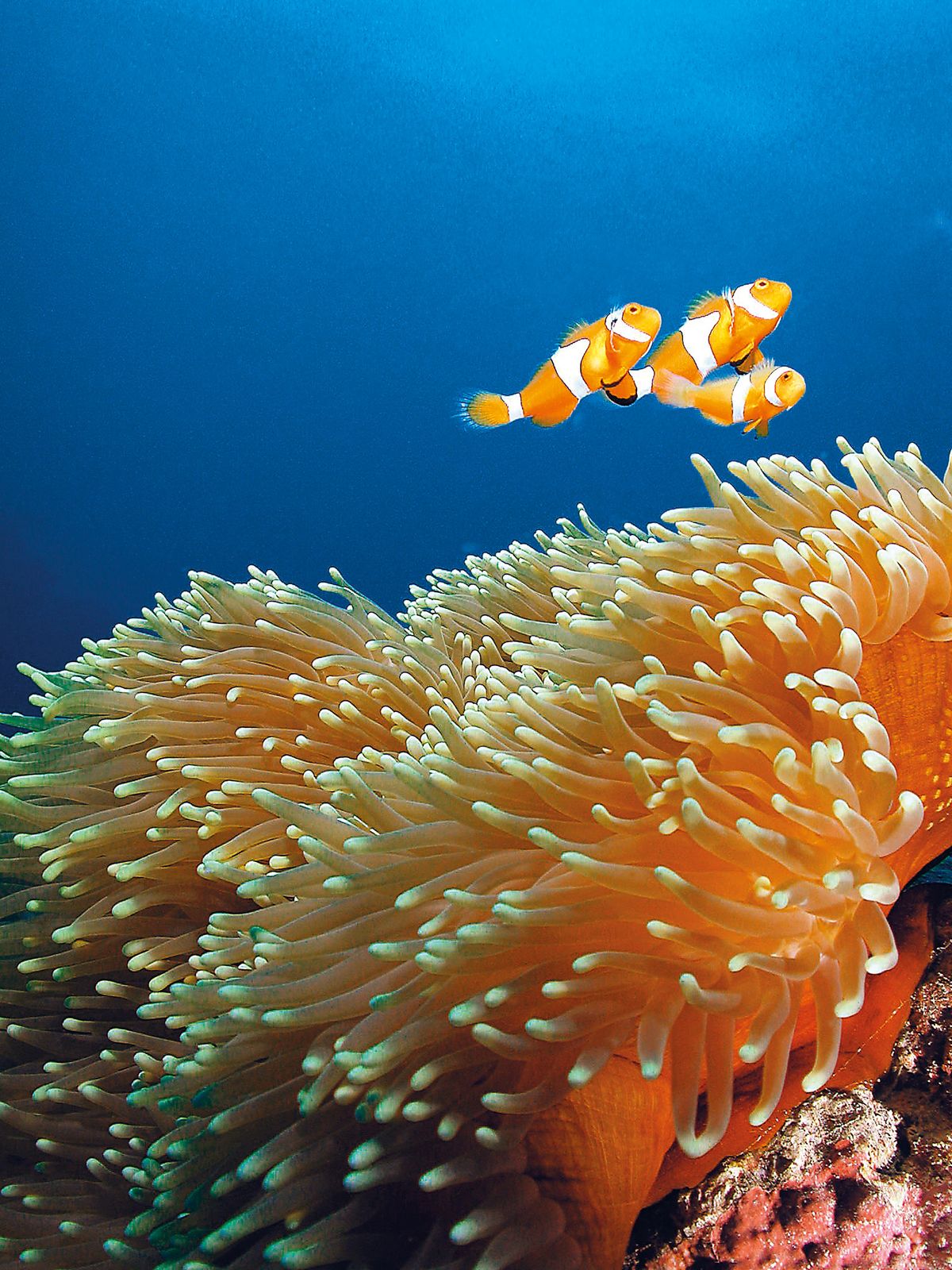
The Great Barrier Reef runs for more than 2,300 kilometres down the coast of Queensland, covering an area larger than Italy. It is the largest living structure on Earth, made up of roughly 2,900 individual reefs and some 900 islands and cays, and the only living thing visible from space. For most travelers the question is not whether to go, but where along this vast system to focus, and when.
Where to base yourself
The reef has several gateways, each opening onto a different stretch of water.
- Port Douglas and Cairns reach the northern reef, including the Agincourt Reef and the famous Ribbon Reefs.
- The Whitsundays (via Airlie Beach or Hamilton Island) put you among 74 islands, with Whitehaven Beach and Heart Reef close by.
- Townsville is the launch point for the SS Yongala, a 1911 shipwreck now considered one of the world's great dives.
- The southern reef, around Lady Elliot and Lady Musgrave islands, is known for manta rays and nesting turtles.
The best dive and snorkel sites
- Agincourt Reef sits on the outer edge of the continental shelf, where the water is clearest and the coral most intact.
- The Cod Hole, on the Ribbon Reefs, is famous for resident giant potato cod the size of a person.
- Osprey Reef in the Coral Sea draws experienced divers for its wall dives and shark life.
- Lady Elliot Island offers reliable manta ray encounters and easy snorkelling straight off the beach.
- Heart Reef can only be seen from the air; a scenic flight over the Whitsundays is the way to take it in.
When to visit
The dry season, June to October, is the prime window: visibility is at its best, humidity drops, and the water is comfortable. This also coincides with the dwarf minke whale aggregation on the Ribbon Reefs in June and July and the humpback migration through to September. From November to May the weather is hotter and wetter, and marine stingers mean swimming near the coast requires a stinger suit, though the outer reef remains accessible year-round.
Seeing the reef responsibly
The reef has lived through several mass coral bleaching events over the past decade, driven by marine heatwaves, and its long-term health depends on how it is managed and visited. The practical steps that matter: choose operators with strong environmental accreditation, never touch or stand on coral, use reef-safe sunscreen, and dive or snorkel with a guide who can read the reef and explain what you are seeing. Many of the best operators also fund reef monitoring and coral restoration, so your visit contributes to its protection.
How to experience it
Day boats from the main gateways reach the outer reef in around 90 minutes. For more time in the water, a liveaboard lets you dive sites the day boats never reach. Island stays put the reef on your doorstep, and a scenic flight gives you the only true sense of its scale. A well-planned reef trip usually combines two or three of these, paired with time on the islands.
For a deeper planning path, explore Australia travel, wildlife journeys, and the Sydney Reef and Rainforest itinerary.
Photo Gallery
Happy Travels
Swain